
Solar Christmas lights are a convenient and energy-efficient option for decorating your outdoor spaces. They’re especially useful in areas where plug sockets are limited, helping you create festive lighting displays without trailing extension leads or cables.
Solar powered Christmas lights can perform well throughout the festive season. However, the correct setup makes a noticeable difference to how brightly they shine and how long they last each evening.
Here’s how to set up and use your solar Christmas lights effectively, along with simple tips to help you get the best results.
How Do Solar Christmas Lights Work?
Solar powered Christmas lights run using a built-in rechargeable battery, which is charged by sunlight during the day. The key component is the solar panel, which needs to receive direct daylight in order to store energy.

Most solar outdoor Christmas lights feature a light sensor that turns the lights on automatically at dusk, so there’s no need to switch them on and off manually.
Because winter days are shorter and the sun sits lower in the sky, maximising the total charging time available is important. The position and angle of the solar panel will influence how long the lights stay illuminated in the evening.
What To Look For When Choosing Solar Powered Christmas Lights
A few features can make your lights easier to set up and more reliable outdoors:
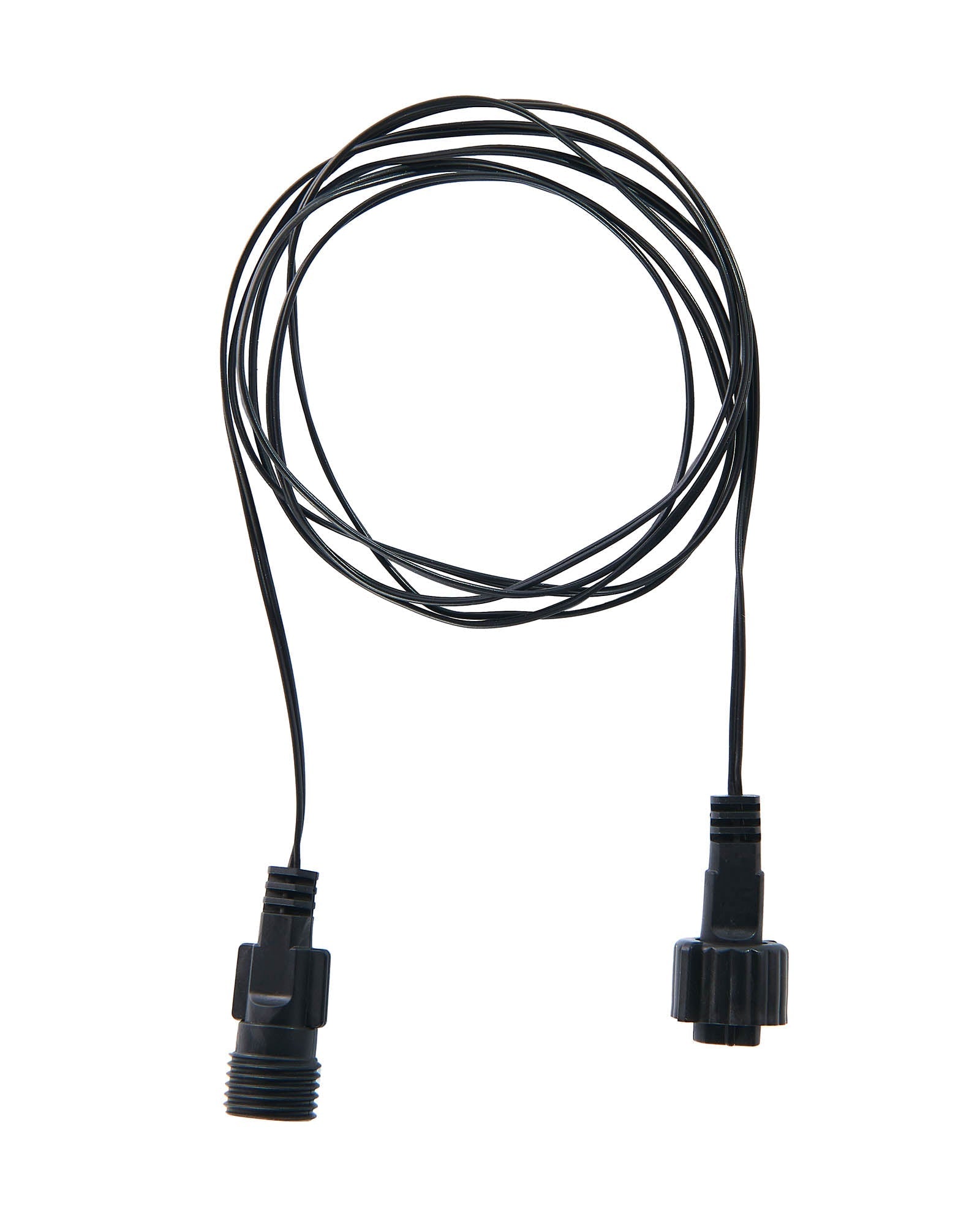
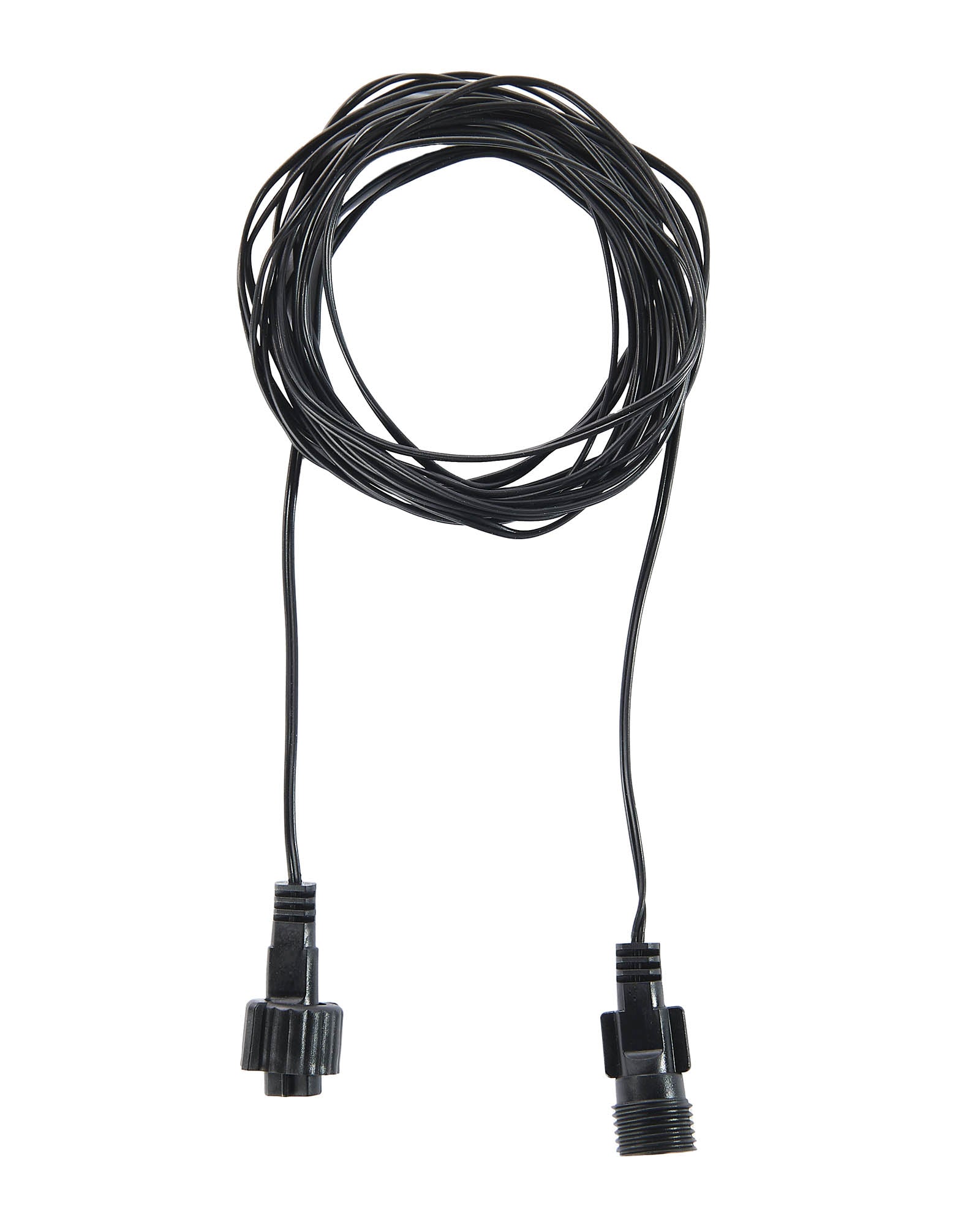
Cable length between the panel and first bulb
This affects how far you can position the panel from the display. Longer cable gives more flexibility in choosing the best sunlit spot.
Panel mounting style
Choosing the right mounting style helps make placement easier. Options for mounting the solar panel for Christmas lights typically include:
- Stake-mounted panels – Can be positioned in soil, grass or plant pots.
- Clip-mounted panels/wall hooks – Can attach to fences, gutters or railings.
Weather rating
Look for an IP44 rating or higher to ensure the lights and panel are suitable for outdoor environments.
How To Set Up Solar Christmas Lights
Once you’ve chosen your lights, follow these steps for the best performance:
Step 1: Unpack and check the lights
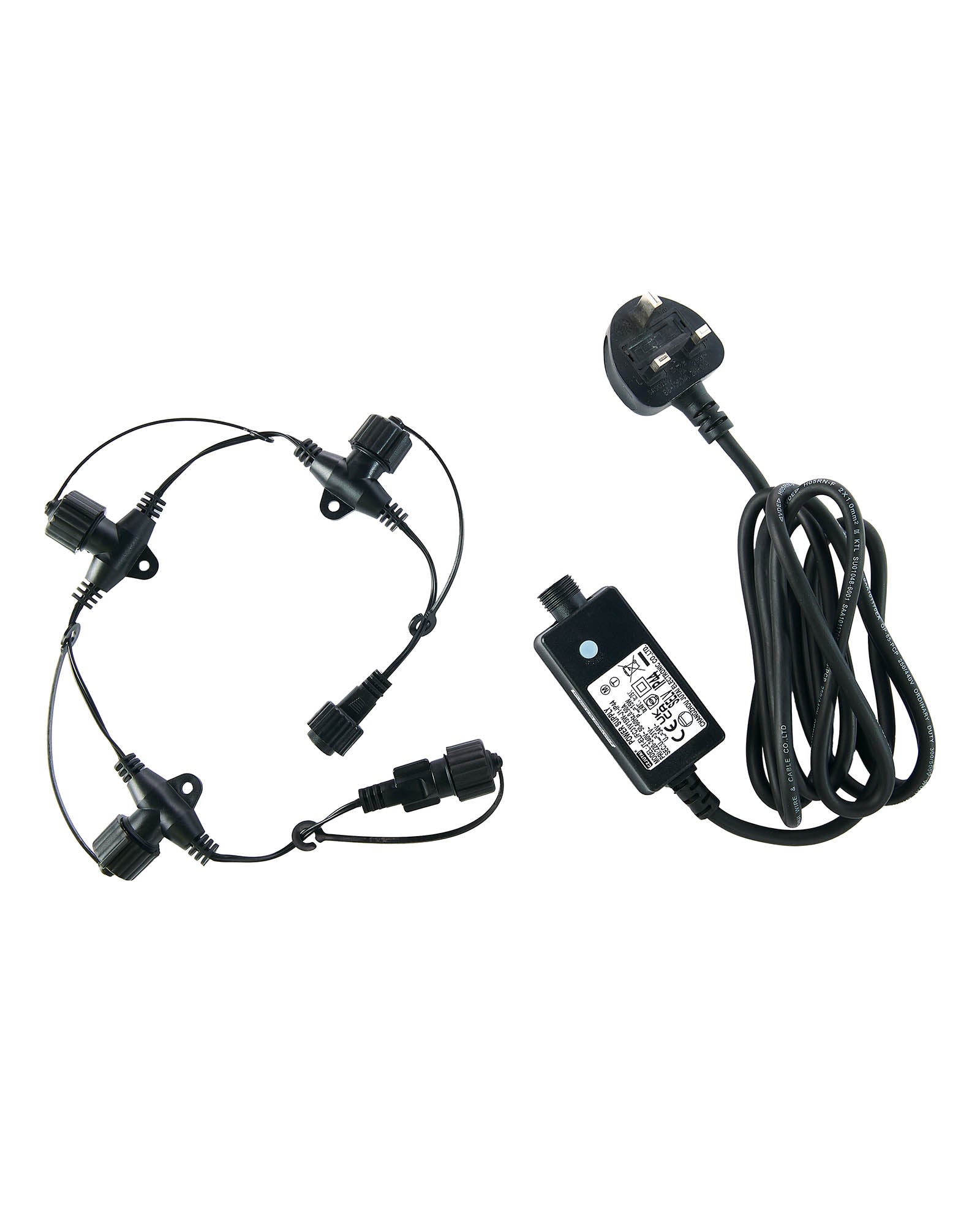
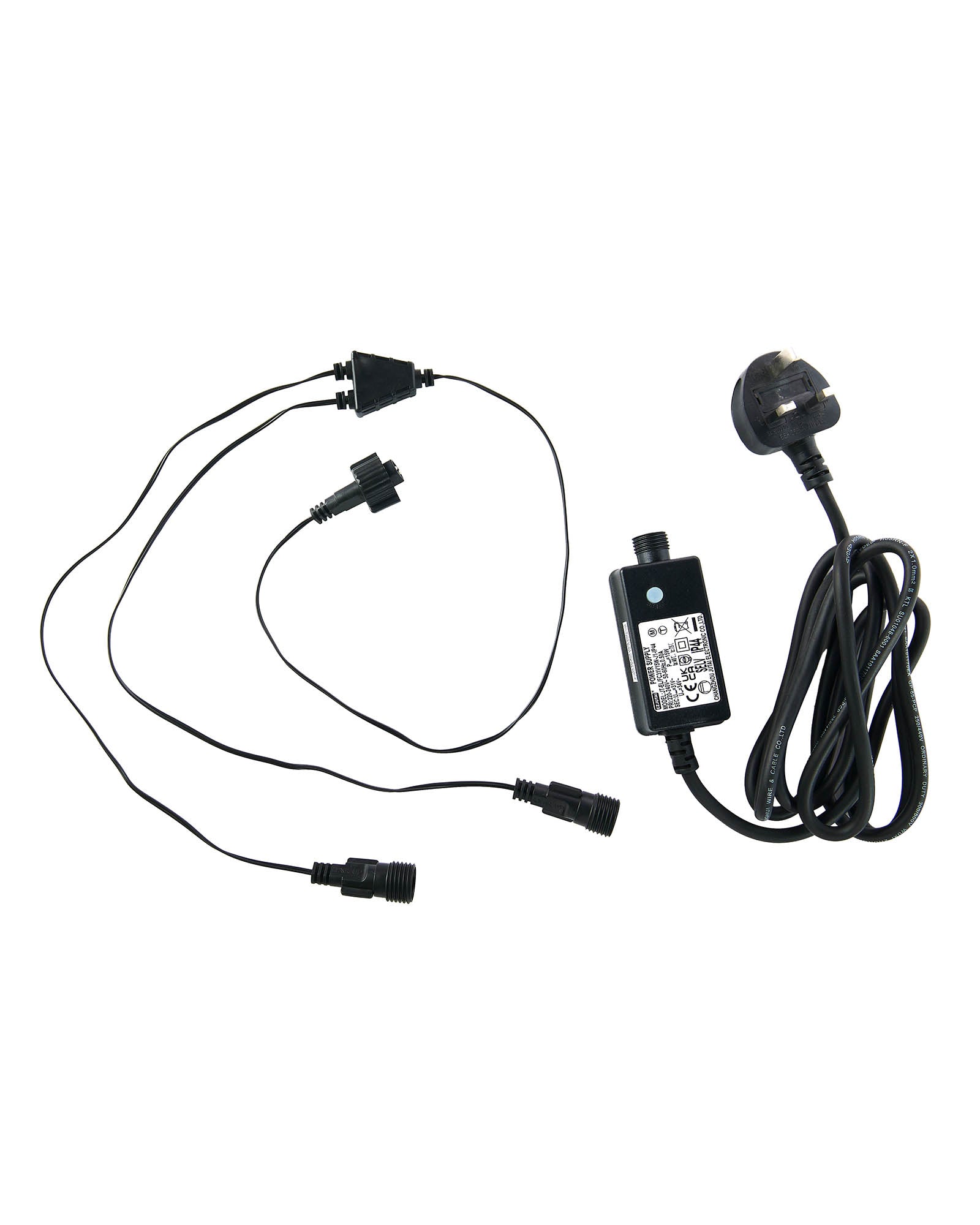
Ensure everything is included and the cable that connects between your power source and the lights is untangled before starting.
Step 2: Charge the solar panel before use
Place the panel in direct sunlight for several hours (six to eight is ideal). This initial charging step will help the lights to perform well from the start.
Step 3: Position the solar panel
Choose a south-facing spot where the panel will receive as much daylight as possible. Avoid placing the panel under trees, roof overhangs or heavy shade. Also avoid positioning it directly under strong streetlights, as this can interfere with the dusk sensor.
Step 4: Adjust the angle of the panel
Tilt the panel so it faces the sun. This is particularly helpful during winter when sunlight is lower in the sky.
Step 5: Secure the lights where you want them
Hang, wrap or drape your lights as desired, keeping the cable neatly supported.
Step 6: Test the lights at dusk
Once the sun sets, the lights should turn on automatically. Check the brightness and adjust the panel placement if needed.
How To Get The Best Performance From Solar Christmas Lights During The Winter
Because daytime during the winter is shorter, you may feel concerned about whether the solar panel will get enough sunlight to function as intended. However, small adjustments can make a noticeable difference:
- Position the panel where it will receive the most daylight. Even a weaker winter sun will still charge the battery.
- Brush off snow, dust or debris that settles on the solar panel. A clean panel charges more efficiently.
- Use a steady/static light mode and minimise the use of flashing modes, which can drain the battery faster.
- If the lights are only staying illuminated for a short time, try temporarily relocating the solar panel to a sunnier spot during the day.
Ideas For Where To Place Solar Christmas Lights
Since they don’t require plug sockets, solar outdoor Christmas lights are especially useful in areas where wiring would otherwise be difficult:
- Along pathways, driveways and garden borders.
- Wrapped around trees, shrubs or hedges for a soft, glowing effect.
- Around pergolas, arches, fences or other garden structures.
- Framing doorways or porches to create a welcoming entrance.
- On outdoor wreaths, where long, trailing cables could be impractical.
For best results, always prioritise positioning the solar panel somewhere with good light exposure, and then style the lights around that placement.
Can Solar Christmas Lights Be Used Indoors?
Generally, no. Solar Christmas lights do not work reliably indoors because the panel needs direct sunlight to charge.
If the solar panel is placed on a very sunny windowsill, the lights may receive some energy, but performance will be limited. You should not expect the same brightness or run time compared to when the panel is placed outdoors.
When decorating for Christmas indoors, battery-powered or mains-powered lights are usually the more practical options.